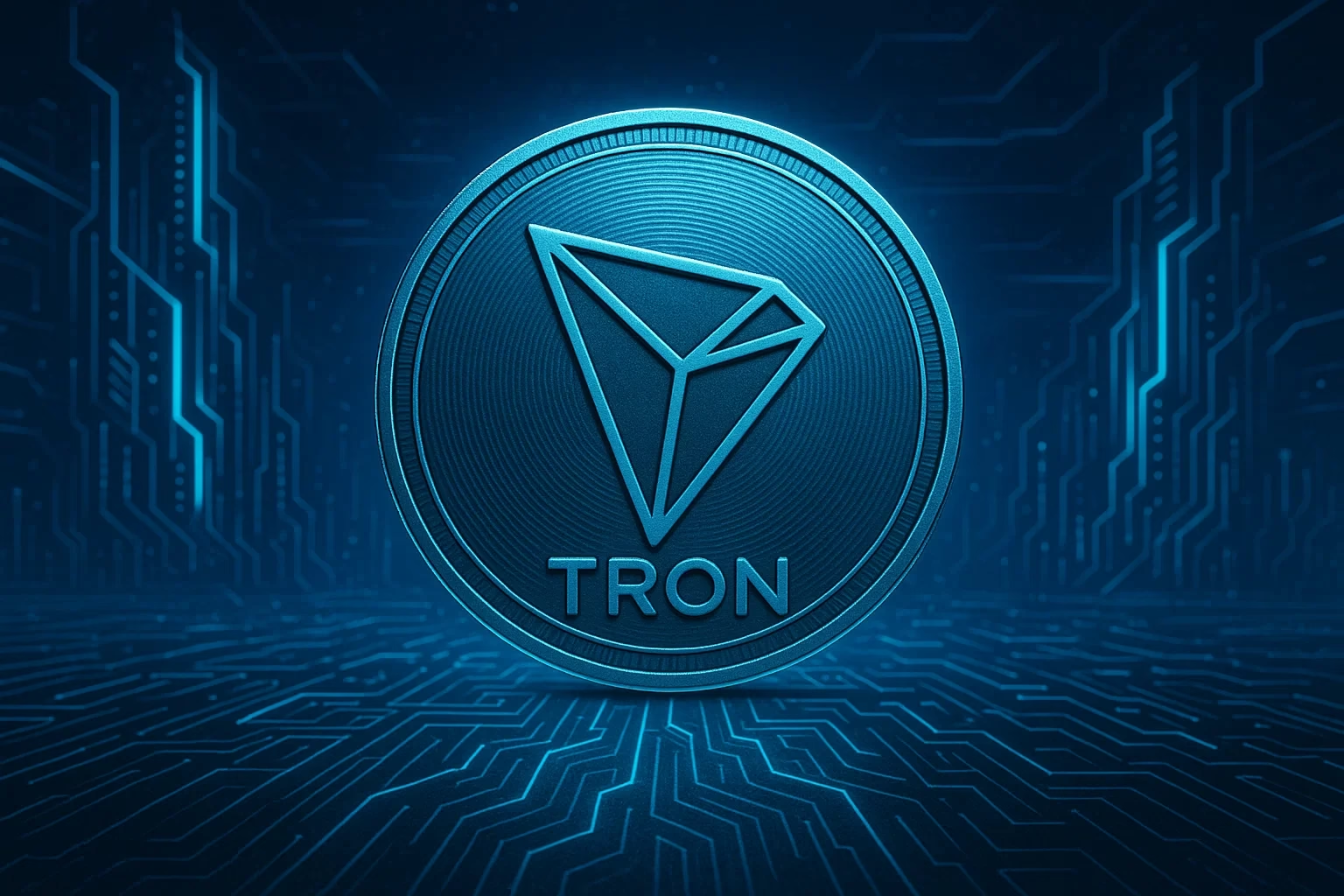
- Tron (TRX) is a Layer-1 blockchain that enables fast, low-cost transactions and direct peer-to-peer content sharing.
- It supports a wide ecosystem of dApps, DeFi platforms, NFTs, and stablecoins like USDT.
- TRX can be bought on multiple global exchanges, offering long-term potential as blockchain adoption grows.
Tron (TRX) has become one of the most active blockchain networks, offering fast, low-cost transactions and a growing ecosystem of decentralized applications. If you’re considering investing in TRX, it’s important to understand how the network works and how to buy it safely.
What is Tron (TRX)?
Founded in 2017 by Justin Sun, Tron is a Layer-1 blockchain designed to decentralize the internet. It allows users to share and monetize content, data, and digital assets directly, without intermediaries.
Tron operates on a Delegated Proof-of-Stake (DPoS) system, where 27 Super Representatives validate transactions and propose network upgrades. This allows Tron to process transactions faster than traditional Proof-of-Work blockchains while keeping fees low and energy use efficient.
The TRX token powers the network, covering transaction fees, supporting governance through voting, and enabling resource allocation for bandwidth and energy. Tron’s ecosystem includes decentralized applications (dApps), DeFi protocols, NFT projects, and stablecoins such as Tether (USDT), making it a hub for blockchain-based payments.
Why People Invest in Tron
- Fast, Low-Cost Transactions: Tron can handle thousands of transactions per second at minimal fees, ideal for microtransactions, gaming, and content payments.
- Growing Ecosystem: Its network hosts a variety of DeFi platforms, NFTs, and stablecoins, enhancing adoption and usability.
- Real-World Utility: Tron supports peer-to-peer sharing and blockchain monetization for entertainment, streaming, and social media platforms.
- Long-Term Potential: With increasing blockchain adoption, Tron’s efficient infrastructure positions it as a strong alternative to Ethereum.
How to Buy Tron (TRX)
Tron can be bought on many cryptocurrency exchanges and services worldwide:
- Choose a Platform: Look for reputable exchanges that support TRX, such as Binance, Kraken, KuCoin, OKX, Bybit, or eToro. Instant purchase services like MoonPay or Changelly are also available.
- Create and Verify an Account: Sign up, enable two-factor authentication, and complete identity verification if required.
- Deposit Funds: Fund your account using bank transfer, credit/debit card, or digital wallets like Apple Pay or Google Pay.
- Buy TRX: Search for Tron (TRX), enter the amount you want, select your order type (market or limit), and confirm.
- Store Your TRX Safely: Use hot wallets for regular access or cold wallets (hardware or paper wallets) for offline security.
Strengths and Weaknesses of Tron
Strengths: High-speed transactions, low fees, active ecosystem, energy-efficient consensus, EVM compatibility, and global adoption.
Weaknesses: Centralization concerns, regulatory uncertainty, price volatility, and competition from Ethereum and Solana.
Tips for New Investors
- Start small and learn as you go.
- Use dollar-cost averaging to reduce the impact of price swings.
- Diversify your crypto portfolio.
- Stay updated on Tron network developments, governance votes, and ecosystem growth.
What Affects TRX Price
Market sentiment, ecosystem activity, network upgrades, regulatory changes, and competition from other blockchains all influence TRX value.
Tron Outlook
Tron remains a top Layer-1 blockchain, widely used in DeFi, NFTs, and payments. Its efficiency and low transaction fees support continued adoption, but investors should track network developments and consider their risk tolerance before investing.
ALSO READ: Pi Network Launches No-Code Payments and Pi Credit Rewards for Creators
DISCLAIMER:
The views and opinions expressed herein are solely those of the author and do not necessarily reflect the views of the publisher. The publisher does not endorse or guarantee the accuracy of any information presented in this article. Readers are encouraged to conduct further research and consult additional sources before making any decisions based on the content provided.
About the Author