



- Bitcoin is struggling to reclaim $80,000 despite strong ETF inflows as rising rate-hike expectations weigh on BTC.
- The next U.S. inflation and jobs data could determine whether Bitcoin breaks higher or faces more pressure.
Bitcoin has struggled to stay above $80,000 after a strong recovery earlier this month. The pullback came even as U.S. spot Bitcoin ETFs recorded $924.5 million in net inflows between August 24 and August 28.
The decline followed comments from Federal Reserve Chair Kevin Warsh, who stressed the need to keep inflation under control. His remarks pushed expectations for a September rate hike higher and lifted short-term Treasury yields, adding pressure to Bitcoin just as strong ETF demand was supporting its recovery.
Higher Rates Could Keep Bitcoin Below $80,000
The Federal Reserve’s interest-rate outlook has become a key factor in Bitcoin’s attempt to reclaim $80,000.
When traders expect rates to stay high, Treasury bonds can become more appealing because they offer returns with less risk. That can leave less demand for assets such as Bitcoin, particularly when prices are already struggling to break higher.
The pressure can build even without an actual rate increase. Traders often adjust their positions when the odds of higher rates change, which can move markets well before the Fed makes its decision.
Bitcoin’s recent price action shows how sensitive BTC remains to those shifts in expectations. Warsh’s latest comments on inflation added to rate-hike concerns just as Bitcoin was trying to hold above $80,000.
Rate-Hike Expectations Are Rising Again
Warsh’s comments have added fresh pressure to Bitcoin’s recovery. His focus on keeping inflation under control raised concerns that the Fed could raise interest rates again in September.
Those concerns quickly showed up in markets. The probability of a September rate hike rose to nearly 60%, while two-year Treasury yields also moved higher.
Bitcoin moved in the opposite direction. BTC fell toward $77,000 after trading above $80,000, wiping out part of its recent recovery.
The timing is significant. Bitcoin had started to recover above $80,000, but renewed rate concerns gave sellers an opportunity to push the price back below the level.
That leaves BTC caught between strong institutional demand and a less favorable interest-rate outlook. ETF inflows are supporting Bitcoin, but higher-rate expectations could continue to limit how far the price can recover.
Strong ETF Inflows Have Not Been Enough
The next test for Bitcoin could come from the U.S. economic data that will shape the Fed’s September decision.
The jobs report will show whether the labor market is cooling, while August inflation data will reveal whether price pressures are easing. Both could shift expectations for interest rates and, in turn, affect Bitcoin.
Softer inflation or weaker employment could reduce bets on another rate hike. That would ease some of the pressure on BTC and give buyers a better chance of pushing the price back above $80,000.
A hotter inflation reading or stronger-than-expected jobs data could have the opposite effect. Higher rate expectations would keep pressure on Bitcoin and make a sustained move above $80,000 harder to achieve.
$80,000 Is Now the Level to Watch
Bitcoin’s next move could hinge on whether buyers can reclaim and hold $80,000.

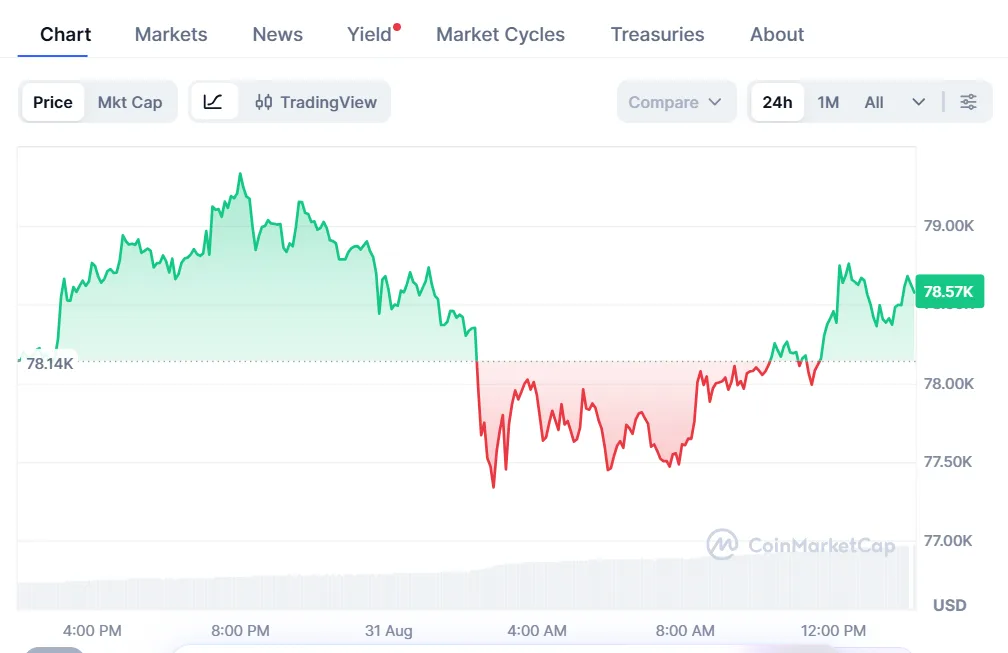
A sustained break above this level would show that buyers are overcoming the selling pressure that has kept BTC below resistance. It would also suggest that strong ETF demand is beginning to support a broader price recovery.
Another rejection at $80,000 could leave Bitcoin exposed to a deeper pullback. That would shift attention back to upcoming U.S. economic data and its potential impact on the Federal Reserve’s next decision.
Inflation and Jobs Data Could Shift the Balance
The next major test for Bitcoin could come from the latest U.S. economic data.
The jobs report will offer fresh clues about the strength of the labor market, while August inflation data could show whether price pressures are starting to ease.
Softer inflation or weaker employment could reduce expectations for another Fed rate hike. That could ease pressure on Bitcoin and give buyers more room to push BTC back above $80,000.
Stronger inflation or a resilient labor market could have the opposite effect. Higher rate expectations would likely keep investors cautious and make Bitcoin’s recovery harder to sustain.
The Fed Could Decide Bitcoin’s Next Move
Bitcoin still has strong institutional demand behind it. The recent ETF inflows make that difficult to ignore. The problem is that demand alone has not been enough to keep BTC above $80,000.
That makes the Federal Reserve one of the biggest threats facing Bitcoin right now. If inflation stays elevated and rate-hike expectations continue rising, Bitcoin could struggle to turn institutional buying into a sustained breakout.
If economic data starts cooling and the Fed adopts a softer stance, the pressure could ease. For now, Bitcoin’s battle for $80,000 is also a battle against tighter financial conditions. The next economic reports could determine which side wins.
ALSO READ: Why Privacy Is Becoming Crypto’s Next Big Battleground
Disclaimer:
This article is for informational purposes only and should not be considered financial or investment advice. Cryptocurrency investments carry risk, and readers should conduct their own research before making any investment decisions.