- BRICS Pay is redefining global finance—can it challenge the US dollar’s dominance? Explore its features, risks, and global impact.
- Discover BRICS Pay: the new payment system by Brazil, Russia, India, China & South Africa aiming to reduce dollar reliance.
- Will BRICS Pay shift global trade away from the dollar? Learn how this system could reshape finance and empower emerging economies.
A Challenge to Dollar Dominance
The global financial order has long revolved around the United States dollar, which dominates trade, investment, and reserve systems. For decades, its centrality has given Washington outsized influence over international finance, enabling sanctions and shaping global economic flows. But that status quo is now being challenged.
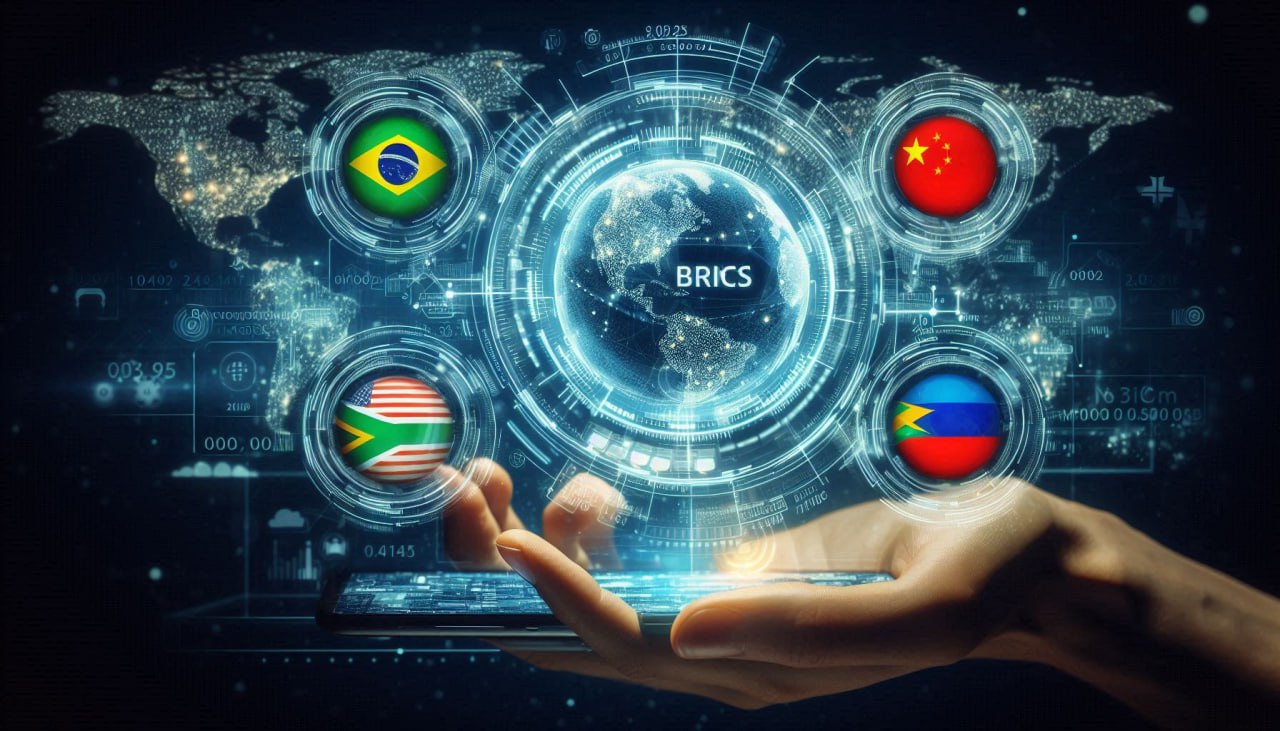
BRICS—comprising Brazil, Russia, India, China, and South Africa—has unveiled BRICS Pay, a digital payment system designed to facilitate cross-border transactions in local currencies. This initiative is more than a technological upgrade. It is a political and economic statement: the bloc wants to reduce its dependency on Western-controlled systems like SWIFT and chart its own financial path.
With the BRICS nations representing 36.7% of global GDP in 2024—around $26 trillion—the implications are profound. If BRICS Pay gains traction, it could accelerate a shift toward a multipolar financial system where the US dollar no longer reigns supreme.
Why BRICS Pay Matters: Economics Meets Geopolitics
The motivations behind BRICS Pay are both economic and political. Economically, the bloc seeks efficiency, lower transaction costs, and protection from currency volatility tied to dollar-based trade. Politically, it is about sovereignty and reducing vulnerability to sanctions.
Also Read: BRICS Aims for Financial Independence: Launches Crypto Exchange and Stablecoin
Consider Russia. After Western sanctions cut Moscow off from SWIFT, the country faced significant disruptions in trade and banking. For BRICS, such risks highlight the importance of developing an independent mechanism to safeguard economic ties.
The Double-Edged Sword of Dollar Reliance
- Pros: The dollar offers liquidity, stability, and a well-established settlement framework.
- Cons: Overreliance exposes economies to external policy shocks, sanctions, and currency risk.
By sidestepping the dollar, BRICS Pay aims to flip this dynamic—giving members greater control over their transactions while reinforcing local currencies.
Key Features of BRICS Pay
BRICS Pay isn’t just a political project; it’s a carefully designed financial infrastructure. The system is being piloted as a digital wallet-based platform with interoperability across different financial systems.
| Feature | Description |
|---|---|
| Digital Wallet Access | Linked to domestic bank accounts for easy fund management. |
| Payment Methods | QR code-based payments and digital transfers across borders. |
| Local Currency Transactions | Direct settlements in BRICS currencies, bypassing the US dollar. |
| Economic Reinforcement | Encourages use of domestic currencies, boosting financial independence. |
| Efficiency and Cost Benefits | Lower fees and faster settlement compared to traditional banking systems. |
| Potential Blockchain Use | Speculation about distributed ledger integration, possibly even Ripple’s XRP. |
The system mirrors the convenience of consumer payment apps like Alipay or Paytm, but with an added layer of cross-border integration that could transform international commerce within the bloc.
The Digital Payments Boom in BRICS Economies
The timing of BRICS Pay is strategic. Digital transactions within BRICS economies are already expanding rapidly.
- 2023 digital payment volume: $3.25 trillion
- Growth rate: 26.1% year-on-year
- 2032 projection: $39.3 trillion, with China accounting for nearly half
This digital adoption provides fertile ground for BRICS Pay’s success. Unlike in the early 2000s, when cash and legacy banking dominated, today’s BRICS consumers and businesses are already accustomed to mobile wallets, instant payments, and QR code systems.
The scale of digital transformation ensures that BRICS Pay is not starting from zero—it is building atop massive existing momentum.
The Political Signal: Toward a Multipolar Financial World
BRICS Pay is more than an efficiency tool; it is a declaration of intent. By creating a financial “plan B,” BRICS nations are signaling they want a multipolar world order.
Historically, reserve currency dominance has mirrored geopolitical power. The British pound held that role until the mid-20th century before being overtaken by the dollar. Now, BRICS is suggesting it’s time for alternatives.
This move challenges US financial hegemony in three ways:
- Reducing sanction power: BRICS members can bypass Western-controlled systems.
- Strengthening local currencies: Encourages confidence in BRICS monetary systems.
- Encouraging others to follow: Non-BRICS nations may integrate similar systems, expanding the network effect.
As one South African diplomat recently put it, “Financial sovereignty is the foundation of political independence.”
Challenges Ahead for BRICS Pay
Despite its promise, BRICS Pay faces formidable hurdles.
1. Diverging Financial Systems
Each BRICS country has unique regulatory frameworks, banking systems, and currency regimes. Harmonizing these into a single interoperable system is a daunting task.
2. Political Tensions
India and China have long-standing border disputes, while Brazil has historically leaned closer to Western trade partners. Diverging national interests could stall cooperation.
3. Currency Volatility
Unlike the US dollar, BRICS currencies often face inflationary pressures or rapid swings in value. Without stabilization mechanisms, trust in BRICS Pay could be limited.
4. Global Integration
For BRICS Pay to succeed beyond intra-bloc trade, it must gain credibility with external partners. That requires technological reliability, transparent governance, and risk management frameworks.
Could Ripple’s XRP Be a Factor?
One of the most intriguing questions is whether Ripple’s XRP could play a role in BRICS Pay’s architecture. XRP is designed for cross-border settlements with low fees and high speed, making it a potential fit.
Factors supporting XRP’s candidacy:
- Proven scalability and liquidity solutions
- Regulatory momentum in certain markets
- Compatibility with CBDCs and financial institutions
Also Read: XRP Price in 2025: Key Factors That Could Shape Its Next Big Move
However, adoption depends on regulatory clarity within BRICS nations and political willingness to incorporate a non-sovereign token. Even if not XRP, BRICS Pay is expected to incorporate distributed ledger technologies for transparency and efficiency.
What BRICS Pay Means for Global Trade
If implemented successfully, BRICS Pay could reshape trade flows and weaken dollar dominance.
| Impact Area | Potential Outcome |
|---|---|
| Intra-BRICS Trade | Faster, cheaper settlements in local currencies, boosting internal commerce. |
| Dollar Demand | Reduced need for dollar reserves, potentially lowering global dollar demand. |
| Sanctions Enforcement | US sanctions become less effective if BRICS nations operate outside dollar systems. |
| Global South Adoption | Other emerging economies could integrate similar systems, widening the multipolar net. |
This would not mean the dollar disappears. The US currency is deeply entrenched and trusted globally. But BRICS Pay could erode its dominance at the margins, especially in trade between emerging economies.
A Slow but Steady Shift
BRICS Pay is still in its early stages, but its ambition is undeniable. It represents a strategic bid for financial independence and geopolitical leverage in a world where the dollar has long dictated terms.
The challenges are significant—technical integration, political unity, and currency stabilization chief among them. Yet the momentum of digital finance and the rising weight of BRICS in the global economy suggest the project cannot be dismissed.
Whether or not BRICS Pay becomes a dominant system, it signals a new era: the age of a multipolar financial world where the US dollar is no longer the sole gatekeeper of global trade.
About the Author