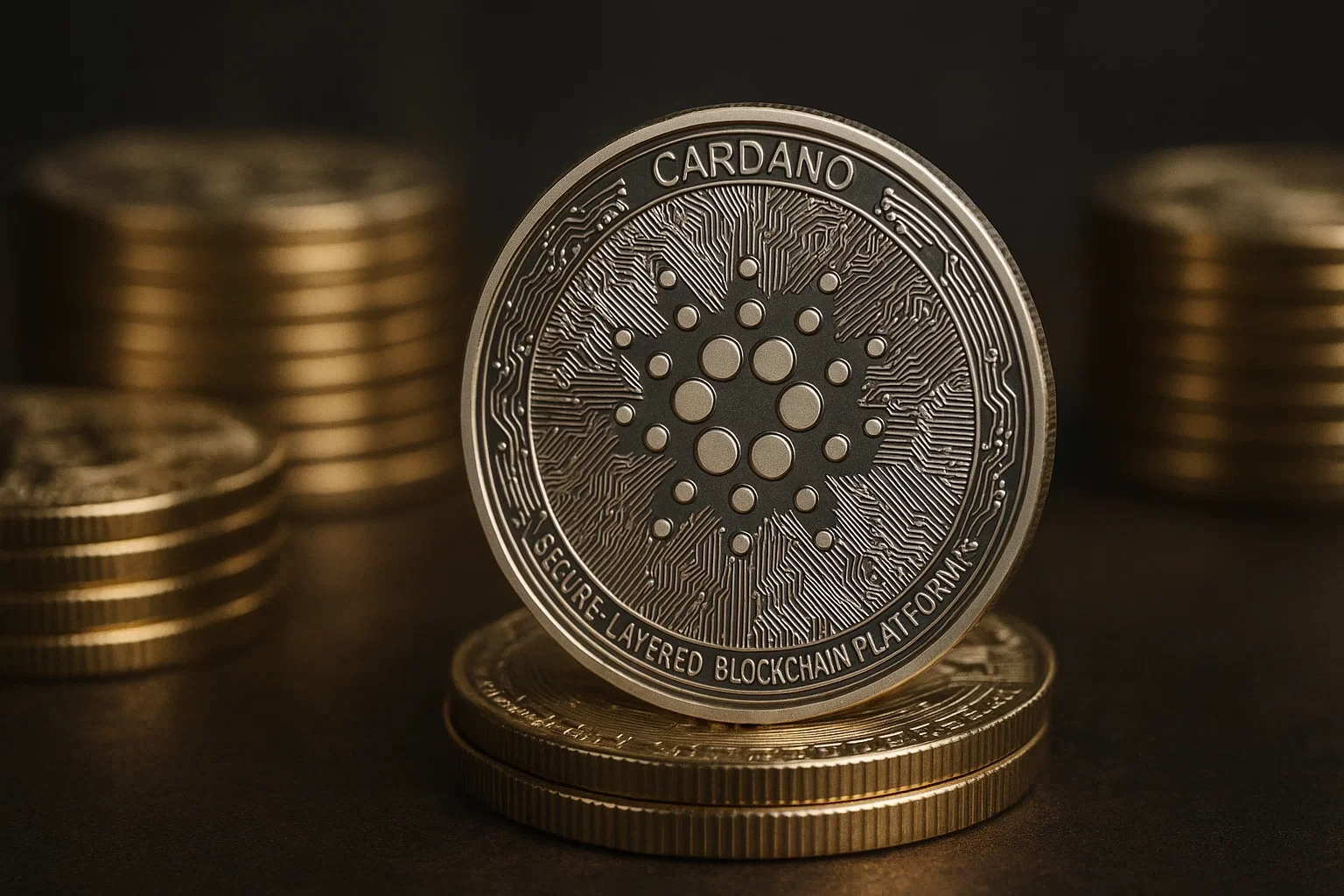
- Cardano is facing slow growth and low DeFi activity despite a loyal community and strong staking participation.
- However, upcoming projects and the Leios upgrade could help revive the network and boost ADA’s long-term prospects.
Cardano (ADA) is now facing facing new criticism as its network struggles with slow growth and low DeFi participation. Despite its loyal community and continued development, critics argue the network has lost its edge. However, recent insights from crypto analyst Matty of Altcoin Buzz suggest that Cardano may be quietly preparing for a major turnaround.
DeFi Engagement Stalls Despite Loyal Users
Cardano’s DeFi ecosystem remains underused. While millions of ADA holders exist, most are staking or holding their tokens rather than engaging with DeFi platforms. This lack of participation has weighed on the network’s total value locked (TVL), which currently stands near $240 million—down sharply from around $650 million in January 2025.
In comparison, competitors such as Sui ($1.6 billion), solana ($10 billion), and Ethereum (over $80 billion) dominate the DeFi landscape. This stark contrast has sparked doubts about Cardano’s competitiveness and long-term sustainability.
Charles Hoskinson Pushes Back Against Critics
Founder Charles Hoskinson remains confident that the project’s fundamentals are sound. He argues that the network’s slow DeFi growth reflects user behavior rather than technological flaws. With about 57% of ADA staked, representing roughly $11.5 billion, Hoskinson views this as a sign of deep community trust.
Still, this strength is a double-edged sword. High staking rates limit liquidity and reduce on-chain activity—factors essential for attracting new developers and investors. As Matty pointed out, staking alone cannot drive network growth without active DeFi use and real-world applications.
Revival Plans and the Promise of Leios
To reignite activity, Hoskinson is focusing on new initiatives like Bitcoin integration and real-world lending through Cardano’s RealFi and Midnight projects. These are designed to connect traditional finance with blockchain, especially in emerging markets like Africa.
On the technical side, the upcoming Leios upgrade aims to enhance scalability by introducing parallel block processing, potentially allowing thousands of transactions per second. While it may take until 2026 to launch, it could be a game-changer for Cardano’s long-term performance.
The Verdict: Not Dying, Just Evolving
At around $0.50, ADA’s price reflects market skepticism—but not defeat. Cardano’s fundamentals, developer activity, and upcoming upgrades indicate that it’s not dying, but evolving.
If Hoskinson’s strategies succeed in boosting liquidity and user engagement, Cardano could once again surprise the market and reclaim its place among top DeFi networks.
ALSO READ:Pi Network Powers AI with 350,000 Nodes in OpenMind Partnership
DISCLAIMER:
The views and opinions expressed herein are solely those of the author and do not necessarily reflect the views of the publisher. The publisher does not endorse or guarantee the accuracy of any information presented in this article. Readers are encouraged to conduct further research and consult additional sources before making any decisions based on the content provided.
About the Author