Bitcoin may be the face of crypto, but stablecoins are increasingly becoming its financial infrastructure.
While most headlines continue focusing on Bitcoin prices, ETF inflows, and market volatility, a quieter transformation is taking place beneath the surface of the digital asset industry.
Stablecoins are rapidly evolving into one of crypto’s most important real-world use cases — powering global payments, cross-border transfers, trading liquidity, and internet-native finance at an unprecedented scale.
In many ways, stablecoins may now represent the most practical and disruptive application of blockchain technology.
Stablecoins Are Becoming Digital Dollars
Unlike volatile cryptocurrencies, stablecoins are designed to maintain stable value by being pegged to assets such as the U.S. dollar.
This stability has made them increasingly useful for:
- international payments,
- remittances,
- online commerce,
- crypto trading,
- treasury settlement,
- and decentralized finance.
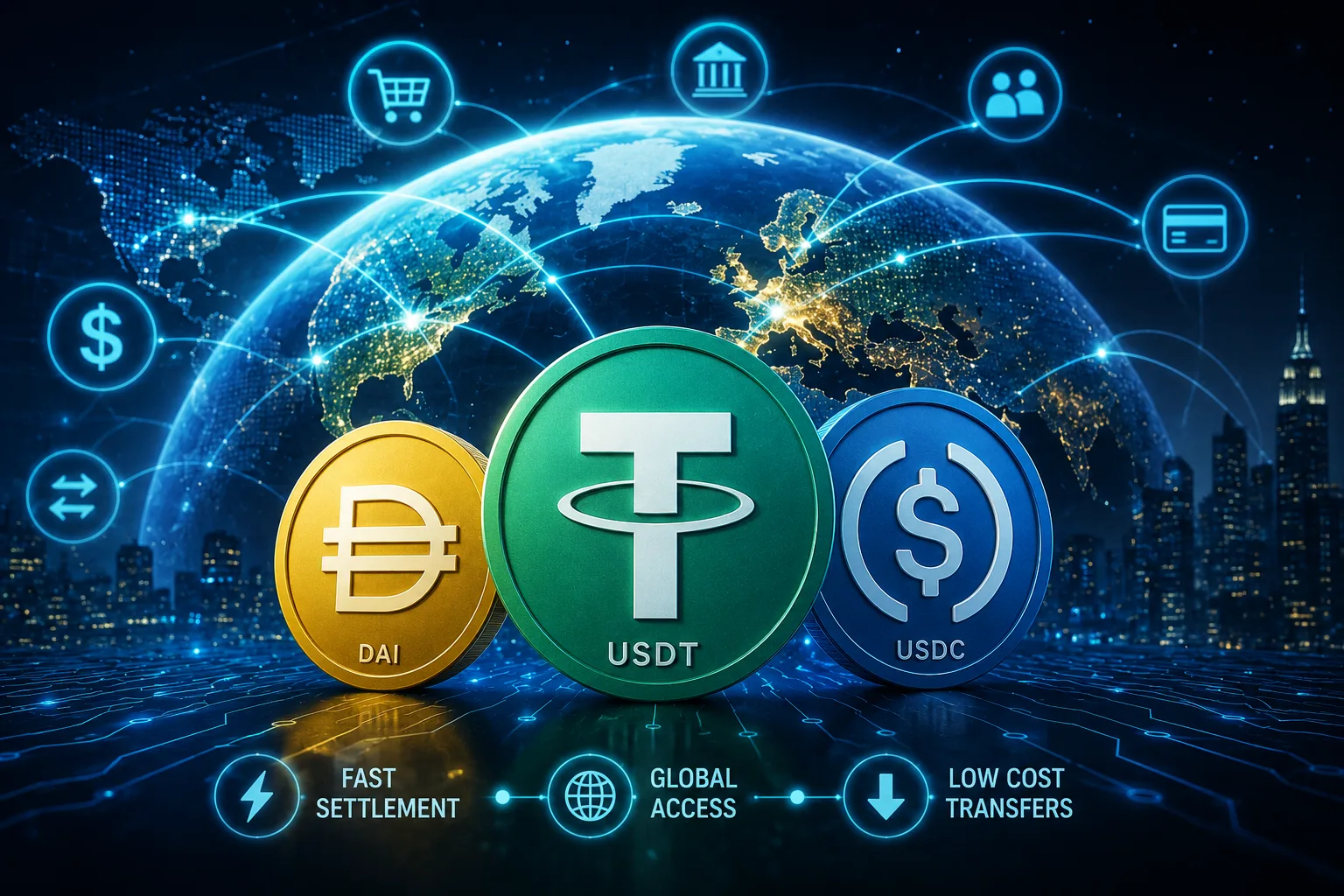
Today, stablecoins function as digital dollars that can move globally within minutes, often at significantly lower cost than traditional banking systems.
For millions of users worldwide — especially in regions with unstable currencies or limited banking infrastructure — stablecoins are becoming an alternative financial system.
Stablecoin Adoption Is Accelerating Globally
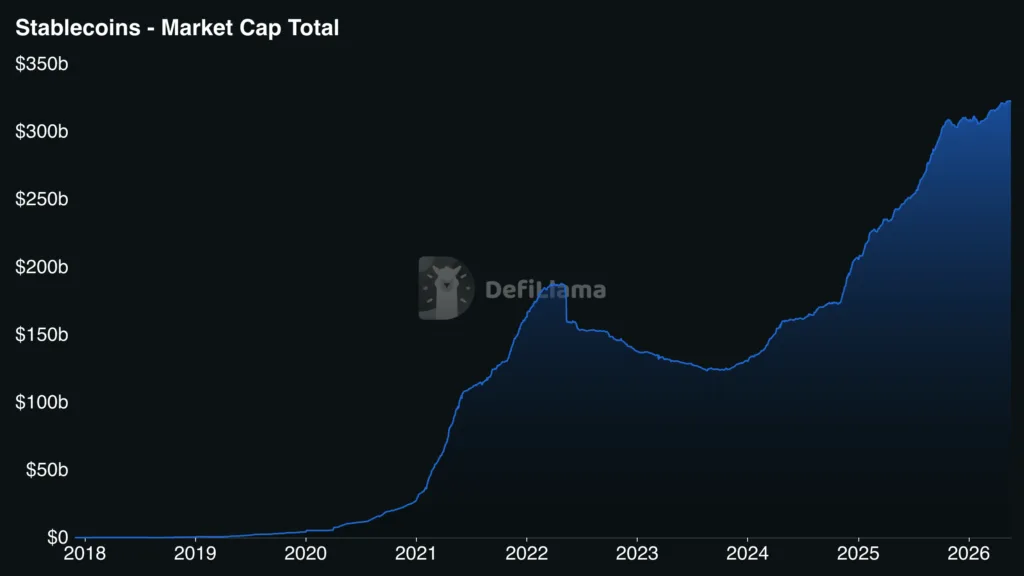
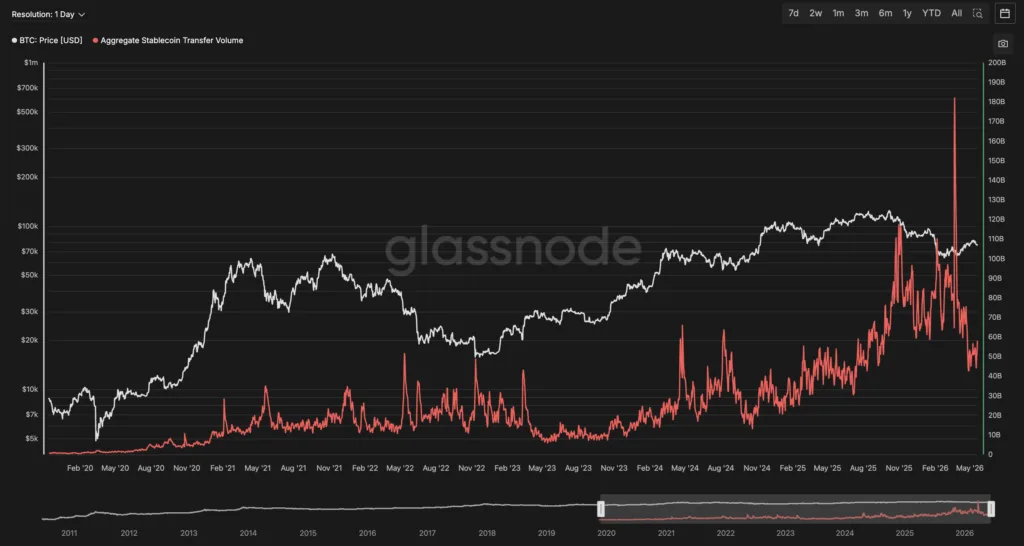
The scale of stablecoin growth has expanded dramatically over the last few years.
Major stablecoins such as Tether (USDT) and USD Coin (USDC) now process enormous transaction volumes across global markets.
At the same time, institutional demand for Bitcoin continues to accelerate, contributing to what some analysts describe as a growing Bitcoin supply crisis.
At the same time, financial institutions, payment providers, and fintech companies are increasingly exploring stablecoin integrations as blockchain-based settlement systems mature.
Unlike speculative crypto narratives that depend heavily on market hype, stablecoin adoption is being driven by utility.
People use stablecoins because they solve real problems:
- faster payments,
- cheaper transfers,
- global accessibility,
- 24/7 settlement,
- and easier access to dollar-denominated liquidity.
Stablecoins Are Reshaping Global Payments
One of the biggest reasons stablecoins matter is their growing role in payments infrastructure.
Traditional international transfers often involve:
- banking delays,
- high fees,
- limited operating hours,
- and multiple intermediaries.
Stablecoins dramatically reduce many of these inefficiencies.
Blockchain-based settlement allows value to move:
- globally,
- instantly,
- and continuously.
This has made stablecoins increasingly attractive for:
- remittance services,
- international businesses,
- freelancers,
- fintech platforms,
- and digital commerce.
Some analysts now believe stablecoins could eventually become core infrastructure for internet-native payments.
Institutions Are Quietly Entering the Stablecoin Market
Institutional interest in stablecoins has accelerated significantly in 2026.
Major financial firms increasingly recognize these coins as potential settlement infrastructure rather than merely crypto trading tools.
Companies such as Visa, PayPal, and fintech firms globally continue exploring blockchain payment integration and stablecoin-based transactions.
Meanwhile, governments and regulators are paying closer attention as stablecoin adoption expands internationally.
This growing institutional involvement signals a broader shift:
stablecoins are increasingly being viewed as financial infrastructure, not speculative assets.
Crypto Trading Depends Heavily on Stablecoins
Stablecoins remain the backbone of crypto trading itself.
Most trading activity across major exchanges relies heavily on stablecoin liquidity pairs rather than direct fiat currency trading.
This makes stablecoins essential for:
- market liquidity,
- capital movement,
- exchange settlement,
- and cross-platform trading efficiency.
Some exchanges are also strengthening their Bitcoin reserves as part of broader treasury and user protection strategies. Major exchanges such as Binance, Coinbase, and MEXC continue expanding stablecoin-related infrastructure as demand grows.
As institutional participation increases, stablecoin liquidity may become even more central to the broader crypto ecosystem.
Stablecoins Could Become the Foundation of Internet Finance
The long-term implications of stablecoins may extend far beyond crypto markets.
As digital commerce expands globally, stablecoins could eventually support:
- online payments,
- creator economies,
- AI agent transactions,
- machine-to-machine payments,
- global payroll systems,
- and decentralized internet economies.
Because stablecoins operate continuously without traditional banking limitations, they align naturally with internet-scale financial activity.
This is one reason many analysts increasingly believe they could become one of blockchain technology’s most transformative innovations.
Bitcoin May Be Digital Gold — But Stablecoins Are Becoming Digital Money
Bitcoin continues to dominate crypto narratives because of its scarcity, decentralization, and role as a long-term store of value.
But stablecoins fulfill a different role entirely.
If Bitcoin represents digital gold, stablecoins increasingly resemble digital cash.
They are designed not primarily for speculation, but for movement, settlement, and financial utility.
That distinction may ultimately make them one of the most important drivers of mainstream blockchain adoption.
A Quiet Financial Transformation Is Already Underway
The crypto industry is evolving rapidly beyond speculative trading.
While Bitcoin remains the sector’s most recognized asset, stablecoins are quietly becoming the infrastructure layer powering much of the digital economy itself.
Between:
- payment settlement,
- global liquidity,
- remittances,
- institutional adoption,
- and internet-native commerce,
stablecoins are steadily integrating blockchain technology into real-world financial systems.
The result could be one of the most important shifts in modern finance:
a world where digital dollars move across the internet as easily as information itself.
About the Author